



Bright Kiddo Positive Discipline
Positive discipline for children
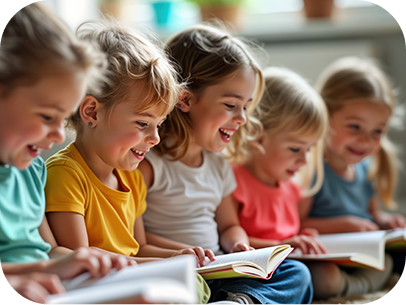
Positive discipline – parenting with respect and understanding

Why is it so important in your child’s development?
Strengthens self-regulation skills and emotional control
Positive discipline helps children recognize their feelings and deal with them constructively, which is crucial for their emotional development.
Builds a sense of security and trust
Children learn that their emotions and needs are important, which supports the development of healthy relationships and strengthens self-esteem.
Teaches responsibility and respect for others
Through dialogue and establishing rules together, children develop awareness of the consequences of their actions and learn to respect themselves and their surroundings.
Supports social development and cooperation
Positive discipline-based activities teach cooperation, empathy, and communication, which helps children function better in groups.
Strengthens concentration and motivation to learn
Children learn to achieve goals through positive reinforcement, which increases their commitment and persistence in their actions.
Provides positive experiences and builds self-awareness
Positive discipline promotes joy in learning and life, developing awareness of one’s own emotions and the ability to cope with challenges.
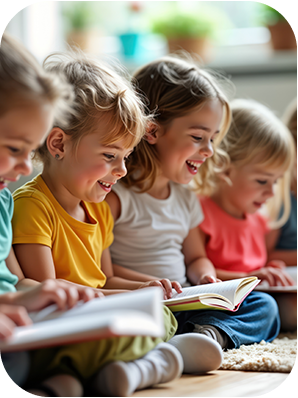
What distinguishes positive discipline at Bright Kiddo?
At Bright Kiddo, positive discipline is more than a method—it is a philosophy that is integral to all our work with children.
An individual approach, taking into account emotions and temperament
We treat each child individually, tailoring support to their unique needs, which promotes effective emotional and social development.
Openness to cooperation with parents
We are ready to support parents in implementing positive discipline by offering practical advice and guidance tailored to their child’s specific situation.
Cohesion and consistency of the teaching team
Our team works in complete harmony, ensuring consistent policies and approaches that create a stable and safe environment for children.
Positive Discipline for Children Bright Kiddo
Positive Discipline FAQs
What is positive discipline?
Positive discipline is a parenting method based on respect, empathy, and cooperation. Instead of punishment and rewards, it focuses on teaching children responsibility, self-regulation, and constructive problem-solving.
How does positive discipline differ from traditional parenting methods?
Traditional methods often use punishments or rewards, which can lead to fear or dependence on external motivation. Positive discipline builds a child’s internal motivation by teaching them to understand the consequences of their actions and empathize with others.
Does positive discipline work with young children?
Yes, positive discipline is effective from a young age. Methods are tailored to the child’s age and abilities, helping them learn to manage their emotions and behavior in a safe and understandable way.
How can parents support positive discipline at home?
It’s important to consistently apply clear rules, talk to your child about their emotions and behaviors, and demonstrate empathy. At Bright Kiddo, we’re happy to share tips and practical advice that help parents support their children outside of the setting.

Pani pomaga mi mówić, co czuję, kiedy coś mnie złości. Teraz łatwiej się uspokajam.
Zosia, 5 lat
Uczę się mówić „przepraszam” i czekać, aż inni się ze mną pobawią. To fajne!
Kacper, 4 lata
Kiedy jestem smutny, pani pomaga mi powiedzieć, co się stało, i razem szukamy rozwiązania.
Ola, 3 lata
Pani mówi, żebym dzielił się zabawkami i nie krzyczał. Teraz się lepiej bawię z kolegami.”
Tomek, 2,5 roku

Do you want your child to confidently manage their emotions and behaviors?
